Standards

European daylight compliance — DF method

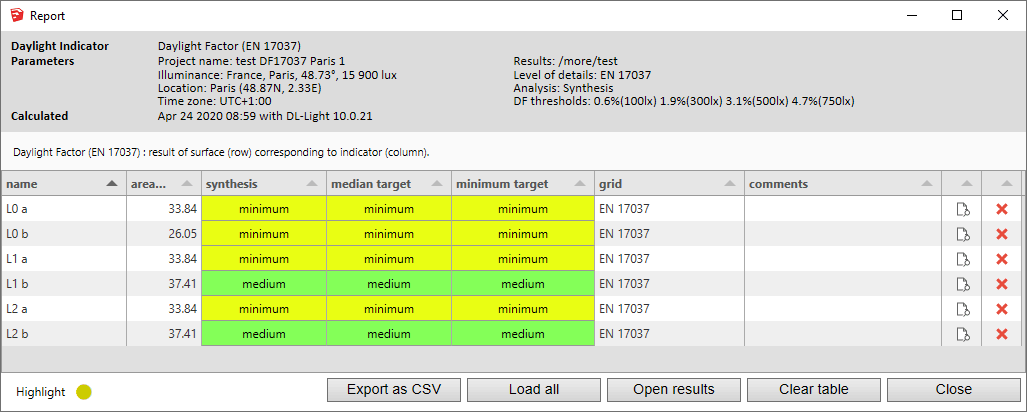
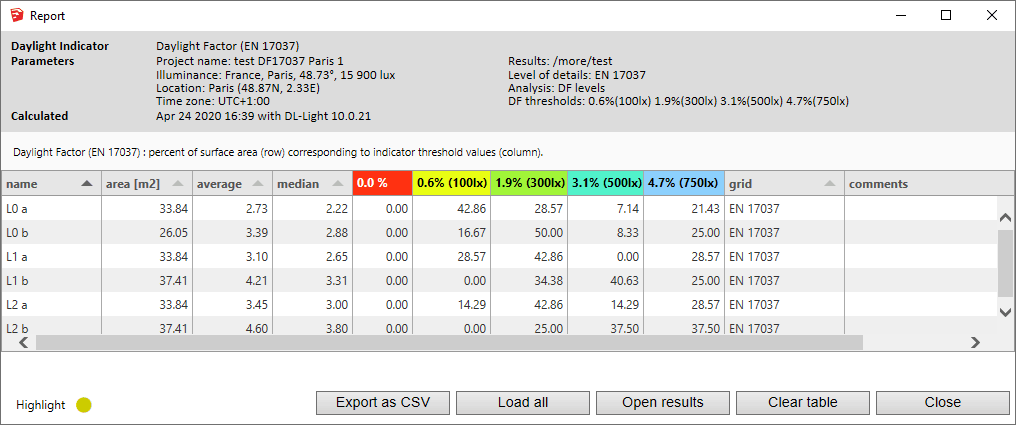
The EN 17037 Daylight Factor method assesses daylighting using standardised thresholds for Minimum, Median, and Target DF levels. DL-Light produces the full synthesis report required for compliance demonstration.

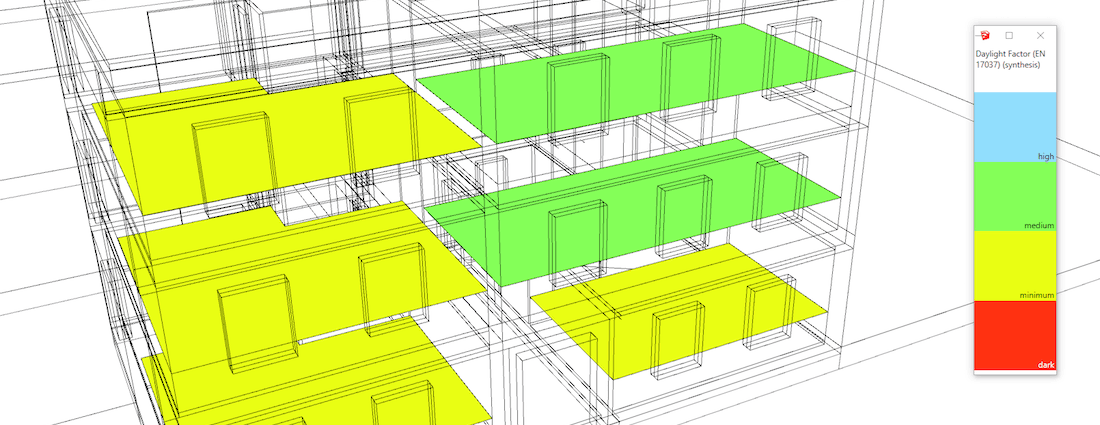
Results show which spaces achieve Minimum, Medium, or High performance levels as defined by EN 17037, directly applicable to planning submissions and certification across EU member states.

  • Minimum, Median, and Target DF per room
  • Three performance levels: Minimum, Medium, High
  • Full EN 17037 synthesis report
  • Ready for planning submission and certification
  • Applicable across EU member states

Frequently asked questions

What is Daylight Factor per EN 17037?

Daylight Factor per EN 17037 is the climate-independent assessment of daylight sufficiency under overcast sky conditions, as defined by the European standard. It measures the ratio of interior to exterior illuminance independent of building orientation or location.

How does DL-Light compute it?

DL-Light calculates Daylight Factor using Radiance ray-tracing under the CIE overcast sky model. The simulation computes DF at working plane height across the analyzed space and assesses compliance with EN 17037 performance levels.

What thresholds or standards apply?

EN 17037 Method 1 (DF-based) defines minimum daylight factor thresholds: 2% for living areas, 1.5% for offices, 1% for other spaces. These climate-independent targets ensure adequate daylighting without relying on location-specific weather data.

Going further

Read the full DL-Light user-guide reference for EN 17037 — Daylight Factor Method: Windows guide · macOS guide.

Start using EN 17037 DF today

Download the free evaluation — no time limit, no credit card required.