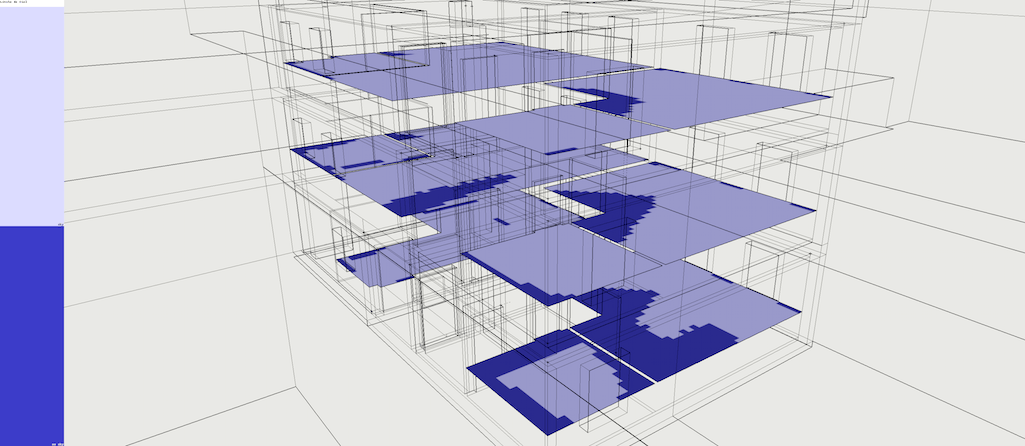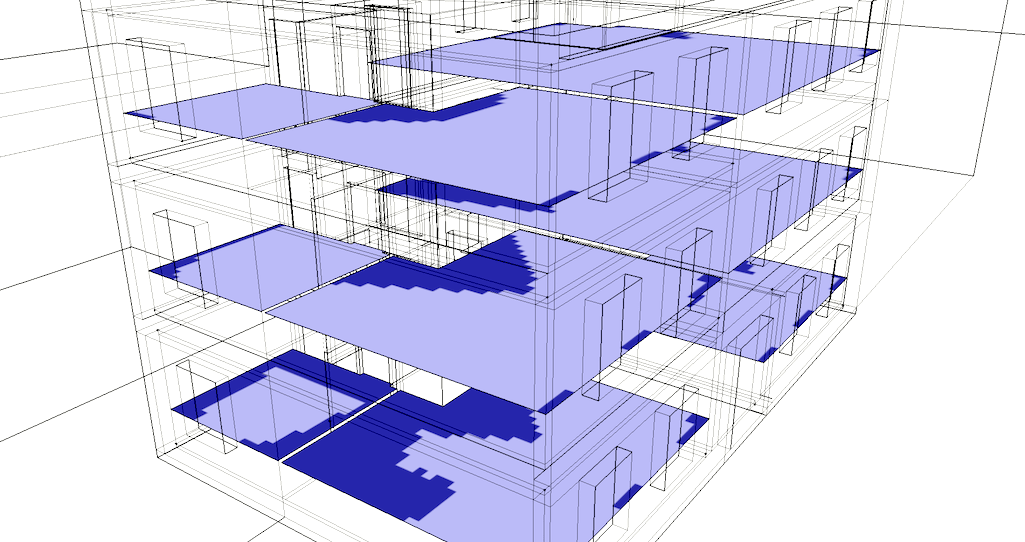
No Sky Line boundary in a room cross-section
Obstruction & View

Map sky visibility within a room

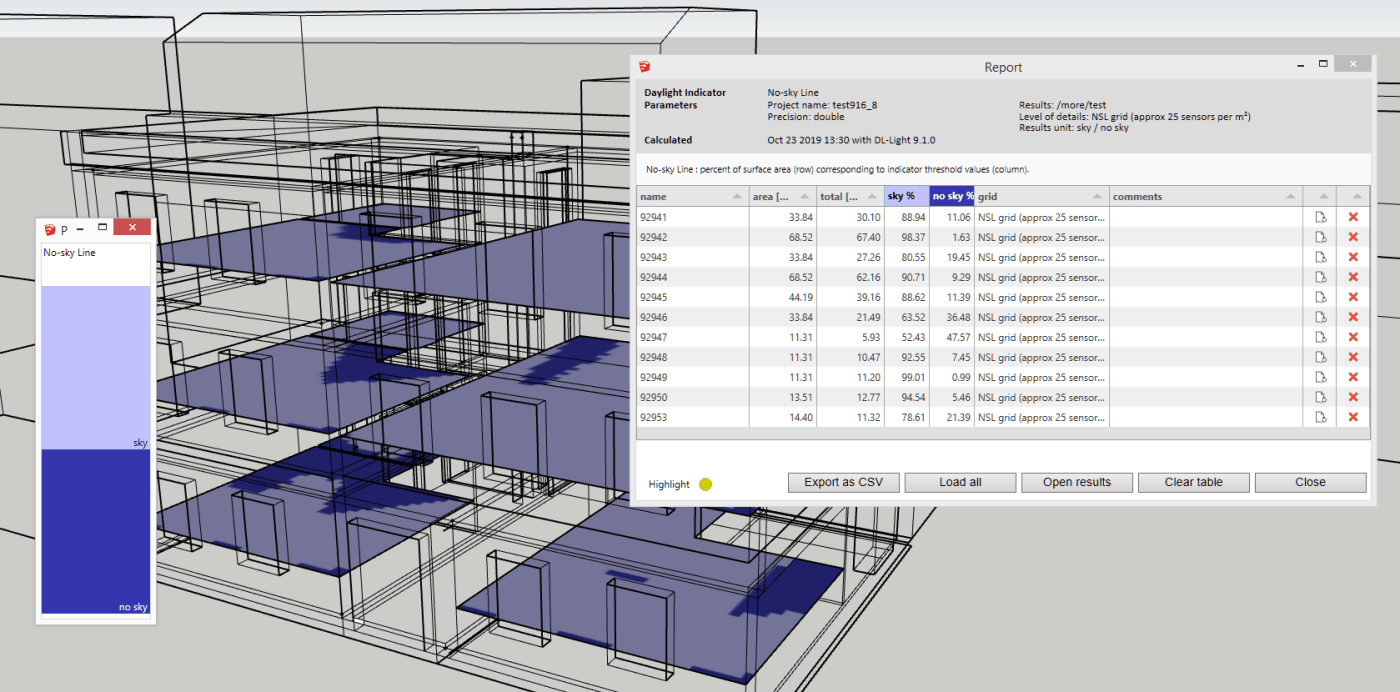
The No Sky Line (NSL) separates the area of a room where the sky can be seen (from the floor) from the zone where it cannot. A large NSL zone indicates significant obstruction and poor potential for natural light penetration.

NSL is used as an obstruction indicator in UK BRE 209 assessments and is a mandatory criterion in Australian SEPP65 compliance — where the NSL must not extend beyond a defined proportion of the room depth.

  • Maps the sky-visible vs no-sky boundary within rooms
  • BRE 209 obstruction assessment
  • SEPP65 mandatory criterion (Australia)
  • Works with VSC and APSH as a complete BRE set
  • Compliance report per room
NSL colour map per room

NSL colour map per room

NSL compliance report

NSL compliance report

Frequently asked questions

What is the No Sky Line?

The No Sky Line (NSL) is the boundary in a room beyond which no direct sky is visible from the working plane. Areas behind the NSL receive no direct daylight. It is a standard BRE 209 obstruction metric used in UK planning to verify daylight reaches a sufficient depth into a room.

What NSL coverage is acceptable?

BRE 209 recommends that less than 20% of the working plane should fall behind the No Sky Line for a room to be considered adequately daylit.

Going further

Read the full DL-Light user-guide reference for No Sky Line: Windows guide · macOS guide.

Start using No Sky Line today

Download the free evaluation — no time limit, no credit card required.